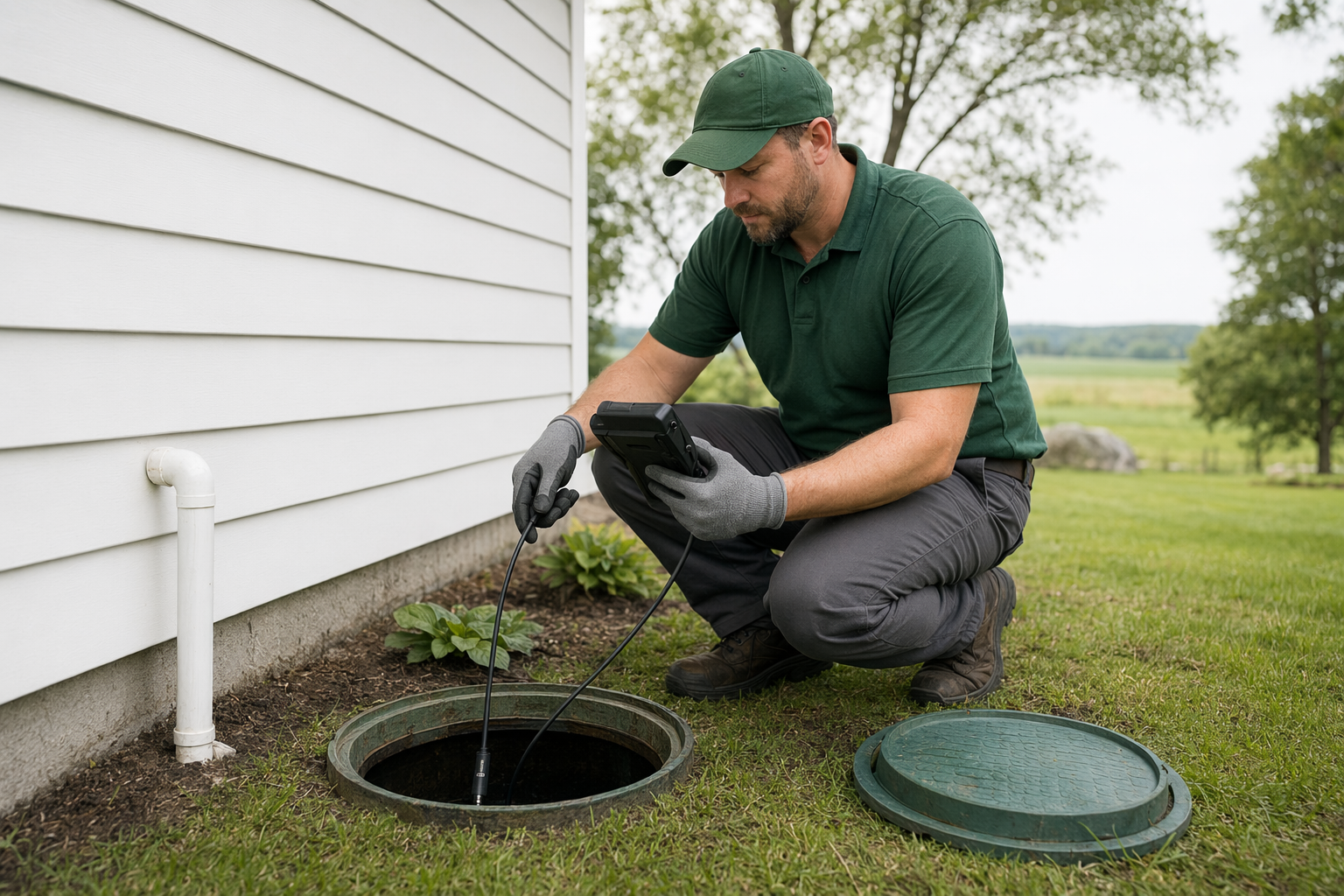
Why get a septic inspection before buying
If a home has a septic system, the septic system is part of the house you are buying. It handles all the wastewater from toilets, sinks, showers, and laundry. If it is damaged, overloaded, poorly maintained, or near failure, you may not see the problem during a regular home showing.
A septic inspection gives you more information before you commit. It can help you:
- learn the type and basic condition of the system
- spot warning signs that need more review
- understand possible maintenance or repair needs
- ask the seller better questions
- avoid taking on a problem you did not plan for
A general home inspection is helpful, but it usually does not replace a septic inspection. Septic systems are specialized. They often need a dedicated septic professional who knows what to check, what records to look for, and when permits or local rules may matter.
If you are new to septic, start with Buying a home with a septic system or Septic inspection before buying, selling, or after a problem.

The short answer
Get the septic system inspected before buying because hidden septic problems can be costly, unsafe, and hard to spot without a proper check.
That does not mean every septic system is bad. Many work well for years with normal care. But you want facts before you close, not after.
An inspection may uncover things like:
- overdue pumping or poor maintenance
- signs of backup, leakage, or drain field stress
- missing records or unclear system layout
- unpermitted changes or unknown additions
- components nearing the end of their useful life
The goal is not to panic. The goal is to make an informed decision.
What you need to know
A septic inspection is different from simply pumping the tank. Pumping removes waste. An inspection is meant to evaluate the system and look for signs of trouble. In some cases, pumping may be part of the process, but not always. If you want more detail, see Septic services we help you find a pro for.
What an inspector checks can vary by property, local practice, and what is accessible. In plain terms, they may look at:
- the tank, lids, baffles, and visible connections
- signs of leaks, cracks, or backup
- the drain field area for wet spots, odors, or surfacing wastewater
- whether fixtures in the house seem to drain normally
- records, permits, or past service history, if available
Older systems, alternative systems, and homes with wells may need extra questions. A very old system with few records is not automatically a deal breaker, but it does mean you should slow down and verify more.
It also helps to know what an inspection cannot do. An inspection is not a promise that nothing will ever go wrong. Septic systems can change with weather, water use, soil conditions, and maintenance history. No one can honestly guarantee future performance.
You should also verify local requirements yourself. Septic work often involves permits, inspections, and licensed or certified installers. Rules vary by county and state. Ask your local health department what applies to that property, and confirm the pro's license and the permit status yourself.
If there are active warning signs, like sewage smell, backups, or a soggy drain field, treat that seriously. Raw sewage and failing drain fields can be health and groundwater hazards. Keep children and pets away from affected areas, and do not try to fix a failed system yourself. General safety information is here: Septic safety.
Steps to take
Here is a practical way to handle it during a home purchase:
1. Ask early whether the home is on septic.
Do not assume. Some buyers learn this late in the process.
2. Request records.
Ask for pump-out records, inspection reports, permits, drawings, repairs, and the age of the system. Missing records do not always mean failure, but they are a reason to look closer.
3. Schedule a septic inspection during your inspection period.
Use a qualified local septic professional, not just a general inspector.
4. Ask what is included.
Before the appointment, ask whether the inspection includes locating components, opening lids, checking flow, reviewing records, or recommending pumping. Get the scope in writing.
5. Read the report carefully.
Look for clear notes about condition, access issues, warning signs, and recommended next steps.
6. If problems are found, get a second opinion or written quotes.
Typical ranges are not quotes. Prices depend on location, soil, access, system type, and permit needs. Confirm price before work starts.
7. Use the findings in your decision.
You may move forward, ask for more review, negotiate, or walk away. That choice depends on your comfort level, budget, timeline, and local rules.
If you want help finding someone local, you can get matched with a trusted septic pro. Leachstead is a free matching and information service. You compare options and choose.
Common mistakes
Buyers often run into trouble because they assume septic is simple or invisible. Here are common mistakes to avoid:
- Skipping the septic inspection because the house looks clean.
A neat bathroom does not tell you how the buried system is doing.
- Relying only on a general home inspection.
A home inspector may note concerns, but a septic specialist is usually needed for a proper septic evaluation.
- Confusing pumping with inspection.
Pumping is maintenance. It is not the same as a full inspection.
- Ignoring warning signs.
Slow drains, odors, wet grass over the drain field, or signs of prior backup matter. Learn the basics in Septic warning signs.
- Failing to ask about permits and licenses.
Septic repairs and replacements often require permits and properly licensed or certified professionals.
- Accepting verbal promises.
Get findings, scope, and quotes in writing.
- Assuming an old system has many years left, or assuming a newer one is problem-free.
Age matters, but maintenance, usage, design, and site conditions matter too.
Get matched with a pro
If you are buying a home and want help finding a local septic inspector, Leachstead can help. We are not a septic company, and we do not perform inspections or repairs. We are a free information and matching service for homeowners.
Tell us what is going on, and we can help you connect with a local pro for inspection or related septic services. You can compare, ask questions, and choose what works for you.
Start here: Get matched.
If you are still learning the basics first, visit Quick septic answers or Buying a home with a septic system.
Common questions
Can I just use the seller's septic inspection report?
You can review it, but many buyers still want their own inspection or at least a careful review by a septic professional they choose. A newer report may be useful, but you want to understand who did it, what was included, and whether anything has changed since then.
Does a septic inspection guarantee the system will pass or last for years?
No. An inspection gives information about visible conditions and warning signs at that time. It cannot honestly guarantee future performance, remaining lifespan, or that no repair will ever be needed.
If the inspection finds a problem, should I still buy the house?
Maybe, maybe not. It depends on the type of problem, likely next steps, your budget, and local requirements. Get the findings in writing, ask follow-up questions, and if needed get additional quotes or a second opinion before you decide.