When replacement is necessary
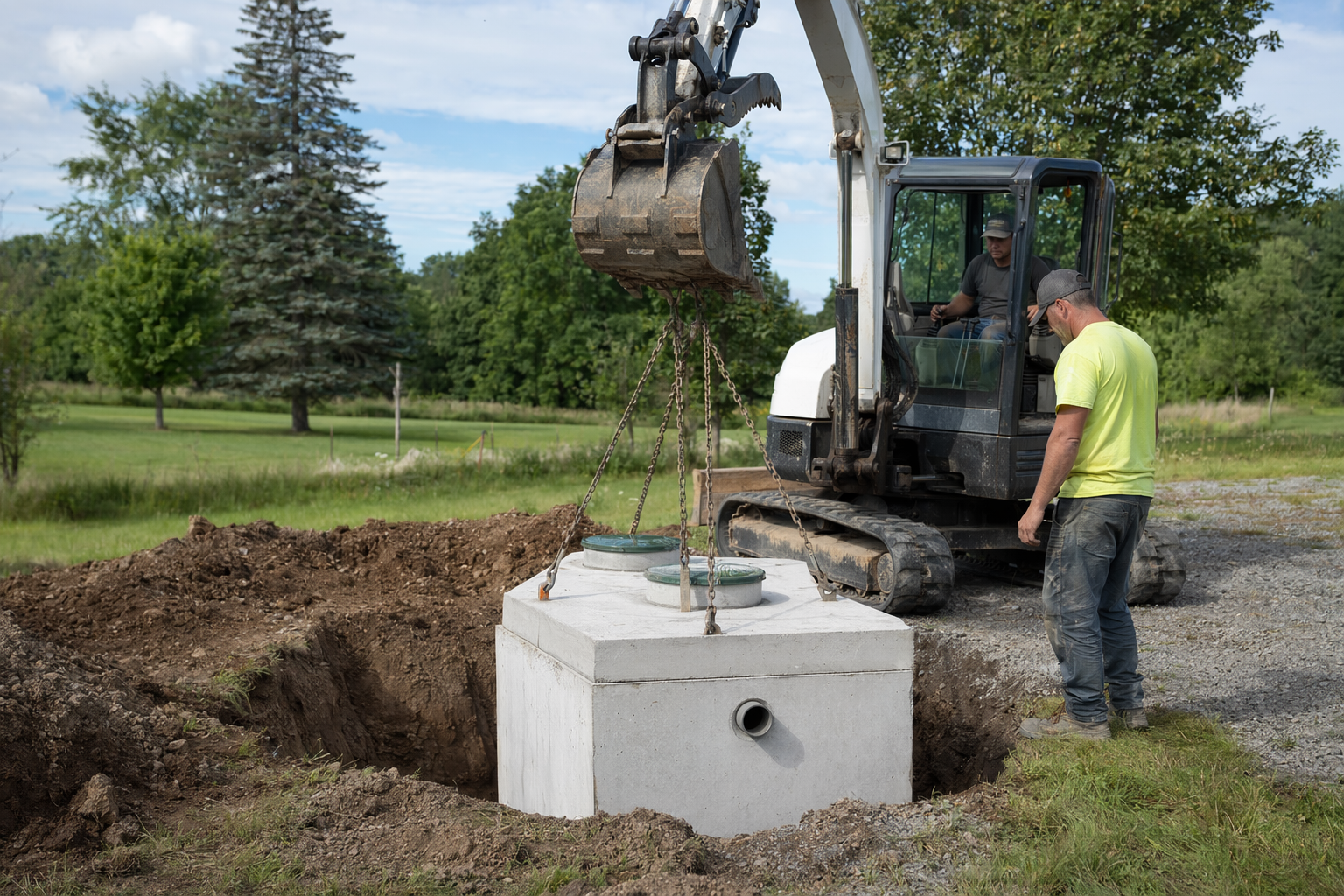
Sometimes a septic problem can be fixed. Sometimes it cannot. A replacement is often the more realistic path when the tank, drain field, or both are at the end of their useful life.
Common reasons a full replacement may be needed:
- The drain field has failed and will not recover, even after proper diagnosis.
- The tank is damaged, collapsing, badly corroded, or leaking.
- Sewage keeps backing up and repairs only help for a short time.
- The system is too small for the home as it is used now.
- The existing setup is very old and no longer meets local code.
- You are building a new home on a lot that needs a septic system.
- The property has major site changes, such as a home addition, that require a redesigned system.
A failing drain field is not just an inconvenience. Raw sewage and wastewater in the yard can be a health and groundwater hazard. Keep children and pets away from wet or smelly areas. Do not try to rebuild or repair a failed system yourself.
Before anyone tells you that replacement is the only answer, it is smart to get a proper evaluation. In some cases, a targeted repair may still be possible. In other cases, replacement really is the honest answer. You can learn more about that decision in Septic Repair vs Replacement: Which Is Right? and When a septic system fails.
If you are dealing with active backup, sewage surfacing, or toilets and drains that have stopped working, treat it as urgent. Limit water use and get professional help fast. Leachstead is a free matching service. We can help you get matched with a local septic pro so you can compare options.
Soil and perc testing
Septic systems depend on the soil. That is why the land itself helps decide what kind of system can be installed.
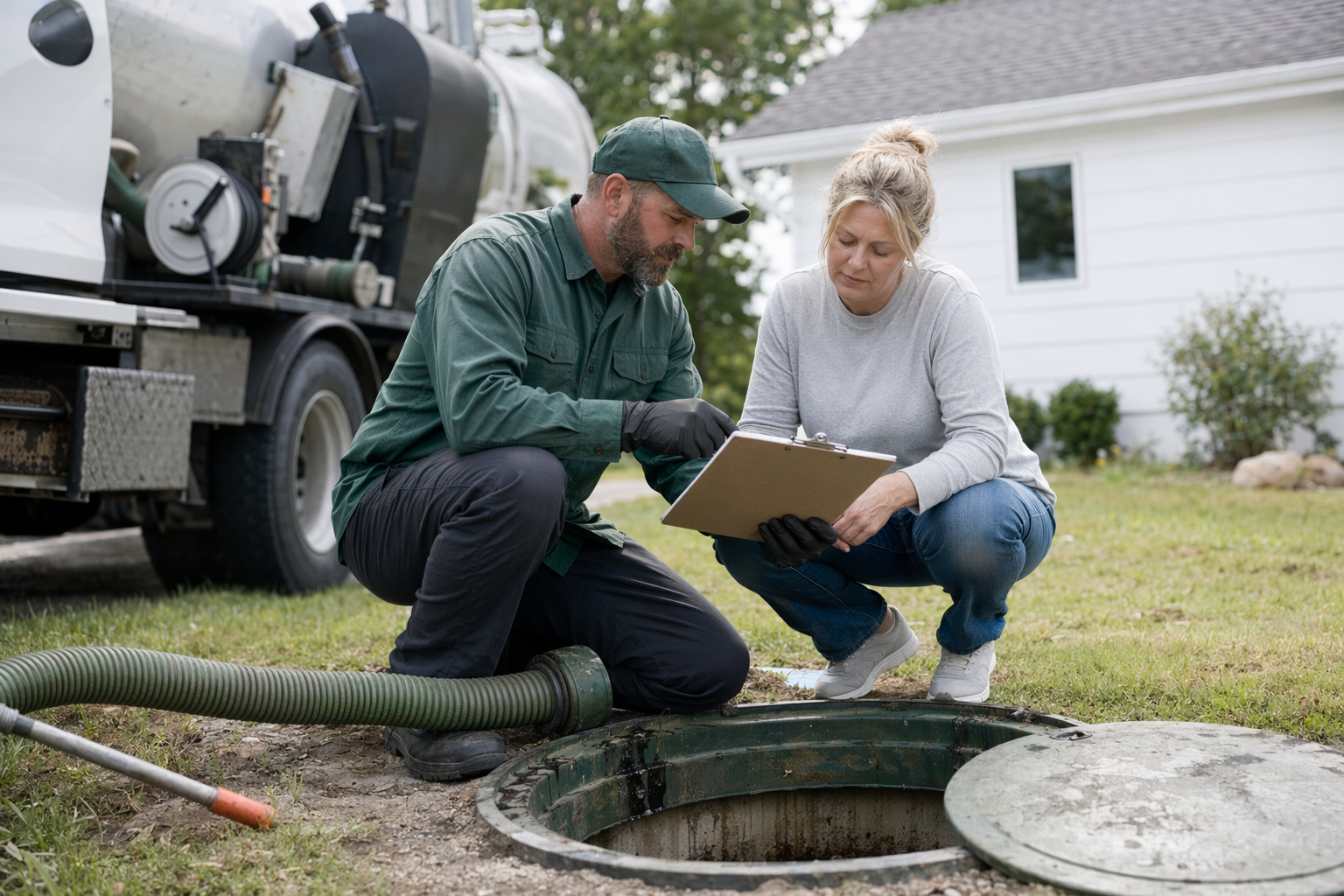
A perc test, short for percolation test, measures how quickly water moves through the soil. Many areas also require soil evaluation by a licensed soil scientist, engineer, or other approved professional. The goal is to see whether the site can safely treat wastewater underground.
What may be checked:
- How fast or slow the soil absorbs water
- Soil type and layers
- Seasonal high water table
- Depth to rock or hardpan
- Slope of the land
- Distance from wells, streams, lakes, property lines, and structures
- Space available for both the main system and a future replacement area
Why this matters:
- Soil that drains too slowly may stay saturated and fail.
- Soil that drains too quickly may not treat wastewater well enough.
- High groundwater or shallow bedrock may rule out a standard drain field.
- Small or difficult lots may need an alternative system.
Typical costs vary by area, lot conditions, and local requirements, but homeowners often see rough ranges like:
- Perc test, about $300 to $1,000
- Full site and soil evaluation, about $500 to $2,000 or more
- Engineered septic design, about $1,000 to $4,000+
These are typical ranges, not quotes.
If the lot fails one type of test, that does not always mean the property can never have septic. It may mean a different design is needed. That is one reason not to panic early in the process. You can read more in Septic permits and regulations and How a septic system works.
Conventional vs alternative systems
Many homeowners first hear the words conventional and alternative when they start getting bids.
A conventional septic system is the basic setup most people picture:
- A buried septic tank
- A gravity-fed drain field, also called a leach field
This option is often the simplest and least expensive, but only when the soil and site are suitable.
An alternative system is used when the site cannot support a standard system, or when local rules require more treatment. Alternative systems can include:
- Mound systems, where treated wastewater is distributed in a raised bed of sand and soil
- Aerobic treatment units, which add air to help treatment happen faster
- Pressure distribution systems, which pump wastewater evenly through the field
- Drip dispersal systems, which spread effluent through tubing near the surface under controlled conditions
- Sand or media filters, which provide extra treatment before dispersal
Alternative systems can solve real site problems, but they usually cost more to install and may need more maintenance, power, and periodic service.
Typical installed cost ranges in the US often look like this:
- Conventional system, about $6,000 to $15,000
- Larger or more complex conventional replacement, about $10,000 to $20,000+
- Alternative system, often about $12,000 to $30,000+, sometimes more for difficult sites
Again, these are typical ranges, not quotes. The real price depends on soil, lot layout, tank size, excavation, local labor rates, engineering, and permit requirements.
Tank material can also affect price and handling:
- Concrete is common and durable, but heavy to deliver and set.
- Plastic or polyethylene is lighter and easier to place, but site conditions matter.
- Fiberglass is another option in some areas.
The "best" system is usually the one that is approved for your site, installed correctly, and maintained on schedule. If you want more detail on non-standard systems, see Alternative septic systems.
Permits and inspections
A septic installation or replacement is usually not a simple dig-and-drop job. In most places, it is a permitted construction project.
The exact steps vary by county and state, but the process often looks like this:
- Site visit, soil work, and perc testing
- Septic design based on the home and the lot
- Permit application to the local health department or other authority
- Approval before construction starts
- Installation by a licensed or certified septic installer
- Inspection during or after installation
- Final approval or record filing
Some areas also require:
- Separate permits for electrical work on pumps or alarms
- Extra inspections for engineered systems
- Setbacks from wells, waterways, and neighboring property
- Reserve area set aside for future replacement
This matters for a few reasons:
- Unpermitted work can create major problems when you sell the home.
- Insurance or financing issues may come up if records are missing.
- A bad design can fail early or contaminate groundwater.
Ask the installer these basic questions:
- Who is pulling the permit?
- Is the design stamped or approved if required?
- What inspections are required before the system is covered?
- Will I get a copy of the permit, drawing, and final record?
- What maintenance does this specific system need?
Always verify the permit, the license, and your local rules yourself. Leachstead is not a septic company or regulator. We provide information and free matching so homeowners can compare local pros. If you are trying to understand the process before calling anyone, start with How Leachstead works or browse all septic services.
Choosing a licensed installer
The installer matters as much as the system design. A good installation can help a system last. A poor one can cause expensive trouble from the start.
Look for a pro who regularly installs or replaces septic systems in your area and understands local soil, permit offices, and inspection rules.
What to check before hiring:
- State or local septic license, if your area requires one
- Insurance coverage
- Experience with your type of system, especially if it is alternative or engineered
- Willingness to give a written scope of work and written pricing
- Clear explanation of what is included and what could cost extra
- Familiarity with local permit and inspection requirements
Ask for details in writing, such as:
- Tank size and material
- Type of drain field or treatment system
- Whether soil testing and design are included
- Permit fees and inspection fees
- Excavation, grading, and site restoration
- Electrical work for pumps, alarms, or controls if needed
- What happens if bad soil, rock, or groundwater is found during digging
- Estimated timeline, weather permitting
A few practical tips:
- Get more than one written quote.
- Confirm the price before work starts.
- Ask who handles the permit paperwork.
- Keep copies of permits, drawings, invoices, and inspection records.
- Ask where the tank, lines, and replacement area will be located on the property.
- Never let anyone pressure you to skip permits to "save money."
If someone says they can install a new system without permits or inspections, that is a red flag. Septic work often affects your home value, your yard, your well safety, and your future repair options.
If you want help finding local companies to compare, Leachstead can help you get matched. You compare providers and choose who to contact.
Typical cost ranges
A new septic system is one of the larger home infrastructure expenses many rural homeowners face. The range is wide because every property is different.
Typical US ranges homeowners often see:
- New conventional septic system, about $6,000 to $15,000
- Conventional replacement on a more difficult site, about $10,000 to $20,000+
- Alternative system, about $12,000 to $30,000+
- High-end engineered or difficult-site projects, sometimes $20,000 to $40,000+
Common pieces that affect the total:
- Perc test and soil evaluation
- Engineering or system design
- Permit and inspection fees
- Septic tank
- Drain field or alternative treatment unit
- Excavation and hauling
- Pumps, controls, alarms, or electrical work
- Tree clearing, grading, or limited-access equipment
- Site restoration after installation
- Removal or abandonment of old components, if required locally
A few cost realities homeowners should know:
- A lower bid is not always the better deal if it leaves out permits, restoration, or electrical work.
- Alternative systems often cost more up front and may also have ongoing service costs.
- A very wet lot, steep lot, rocky lot, or tight lot can push the price up quickly.
- Replacement can cost more than first-time installation because the installer may need to work around an existing house, driveway, landscaping, or old system.
For broader price context, see Septic costs explained. If your current system is failing and you are trying to decide whether to repair or replace, a written inspection or site evaluation can help you compare the real options.
Most important, treat every number online as a planning range, not a quote. Ask for written estimates. Make sure you understand what is included, what permits are needed, and what happens if the job uncovers unexpected site problems.
Common questions
Can I replace just the tank and keep the old drain field?
Sometimes, but not always. It depends on the condition, size, and legal status of the existing drain field, plus local rules. In some cases a field that is already failing, undersized, or noncompliant makes a full replacement more likely. A licensed local pro and the permitting authority can tell you what may be allowed.
How long does it take to install a new septic system?
The digging and installation may take a few days, but the full process often takes longer because of soil testing, design, permits, scheduling, weather, and inspections. On some properties it moves quickly. On others it can take several weeks or more. Ask the installer for a timeline based on your site and local approval process.
Will a new septic system fix sewage odors and backups for good?
A properly designed and installed system may solve problems caused by a failed old system, but no one can honestly promise permanent results without understanding the whole property and how the system is used and maintained. Ongoing care still matters, including pumping on schedule and avoiding damage to the drain field.