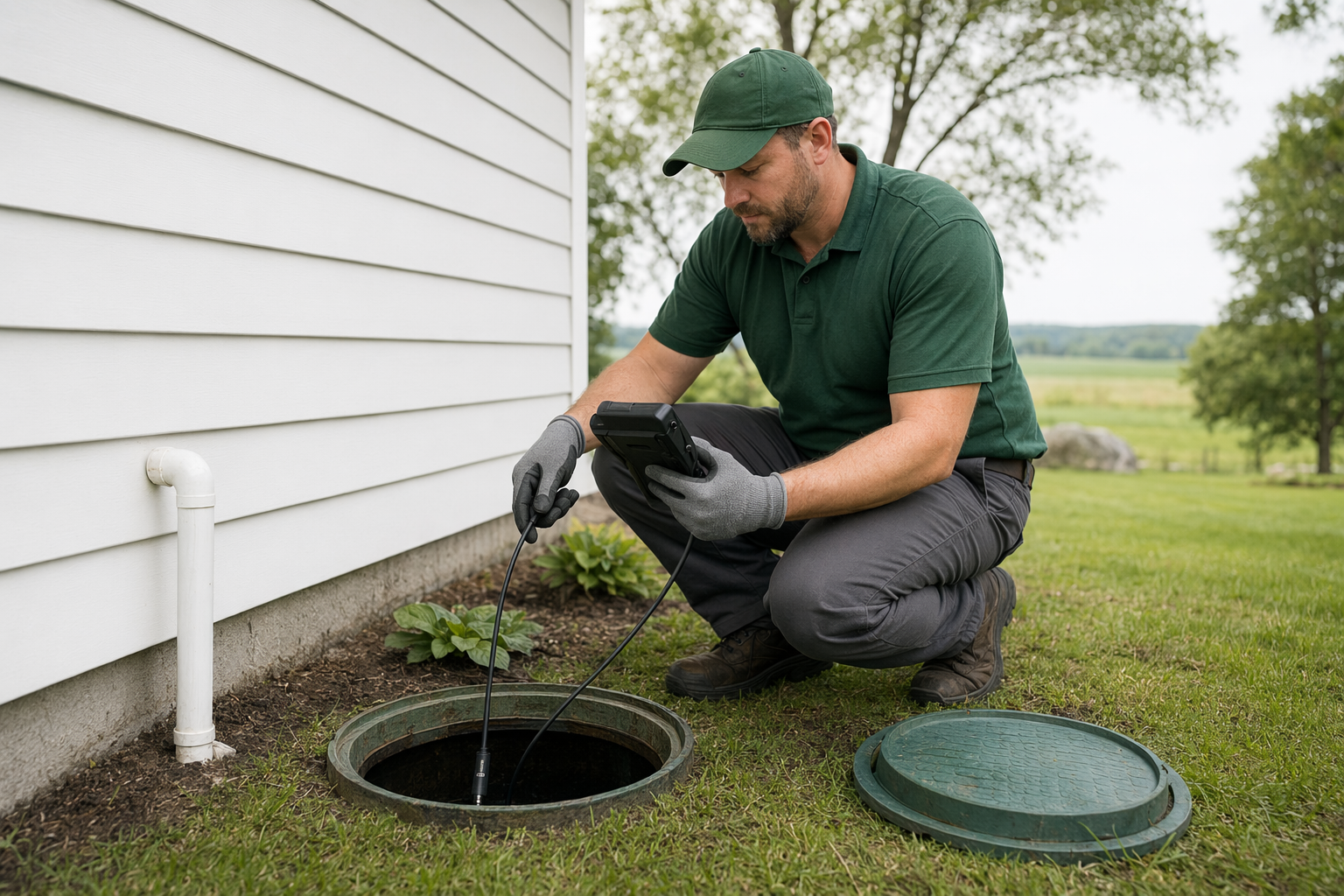
Why and when to inspect a septic system
A septic system can work quietly for years, then show problems fast. An inspection helps you understand its condition before a sale, after warning signs, or as part of routine care.
Common times to schedule an inspection:
- Before buying a home with septic
- Before selling a home, to avoid surprises during escrow or closing
- After slow drains, gurgling toilets, sewage odor, or a wet patch in the yard
- After flooding, long vacancy, or heavy use from guests or a remodel
- When records are missing and you do not know the tank size, age, or service history
- As part of regular maintenance, especially if the system is older
If you are seeing warning signs now, do not assume it is "just a clog." Septic and plumbing problems can look similar at first. A proper inspection helps separate a full tank, a blocked line, broken parts, and a failing drain field. For more on common symptoms, see Septic warning signs.
A good inspection matters because septic failures are expensive and can become a health and groundwater hazard. Raw sewage is not a DIY job. Keep children and pets away from sewage, soggy contaminated areas, and open lids. If there is active backup into the home, you may need emergency septic service first.
If you are not sure what kind of help you need, Leachstead can help you get matched with a local septic pro. You compare options and confirm the scope and price before work starts.
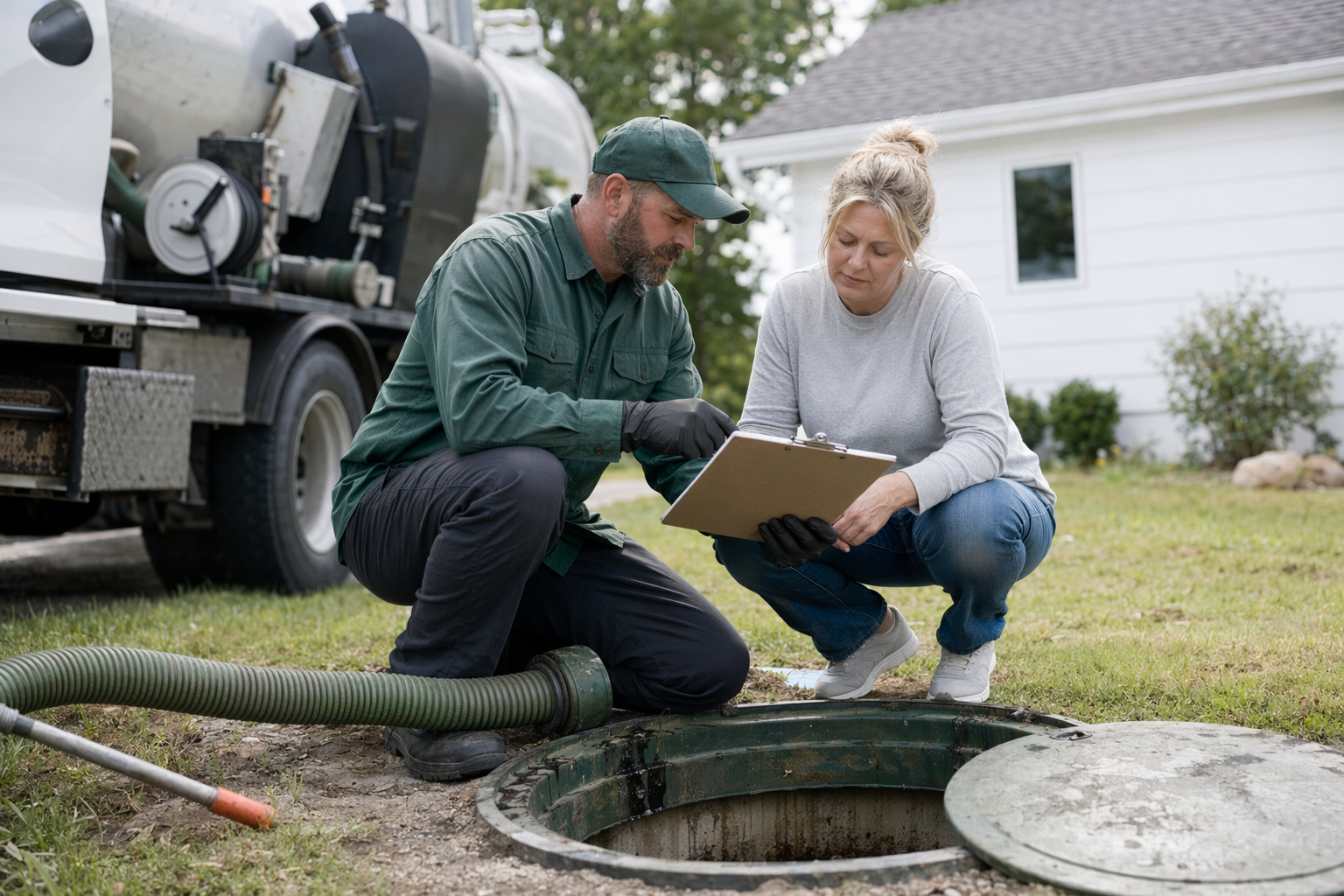
Visual inspection vs full septic inspection
Not all septic inspections are the same. This matters a lot during a home purchase.
A visual inspection is the basic version. It may include:
- Looking for obvious backups, odors, or wet spots
- Checking visible plumbing flow inside the home
- Finding the tank if access is easy
- Looking at maintenance records, if any exist
A visual inspection is limited. It may not include opening the tank, measuring sludge and scum, checking baffles closely, locating the whole drain field, or stress-testing the system. It can miss hidden problems.
A full inspection, sometimes called a more complete or "loaded" inspection, goes further. Depending on local rules and the inspector's process, it may include:
- Opening the tank lids
- Checking inlet and outlet baffles, or tees, which help keep solids in the tank
- Measuring sludge and scum levels
- Looking for cracks, leaks, corrosion, root intrusion, and signs of past overflow
- Confirming whether wastewater is flowing properly from house to tank to field
- Locating and evaluating the drain field area for saturation or surfacing sewage
- Running water, or using a controlled load test, to see how the system responds
- Reviewing permits, sketches, pumping records, and past repairs if available
Some inspections also include a camera scope of certain lines, but that is not always standard. Ask exactly what is included.
Important: a septic inspection is a snapshot in time. Even a thorough inspection cannot promise how many years the system will last. But it can reveal clear red flags and help you avoid guessing.
Before you book, ask:
- Is this visual only, or a full inspection?
- Will the tank be opened?
- Will sludge and scum be measured?
- Will the drain field be located and checked?
- Is pumping included, separate, or recommended first?
- Will I get a written report with photos?
If you are comparing whether to pump first or inspect first, the answer depends on the problem and the goal. During many real-estate inspections, pumping may be part of the process so the tank interior can be seen better. Learn more in Pump first or inspect first?.
What the inspector checks
A good septic inspection looks at the system as a whole, not just one part.
Here is what inspectors commonly check.
1. Tank condition
- Tank material and approximate size, if it can be confirmed
- Water level in the tank
- Cracks, leaks, damaged lids, and corrosion
- Signs the tank has shifted or is structurally unsound
2. Inlet and outlet parts
- Inlet baffle or tee, where wastewater enters the tank
- Outlet baffle or tee, which helps keep solids from washing into the field
- Effluent filter, if the system has one
If baffles are missing or damaged, solids can move into the drain field and shorten its life.
3. Sludge and scum levels
The inspector may measure the solid layers in the tank to see whether pumping is overdue. If the tank is overfull with solids, that does not always mean the whole system has failed. But if solids have already moved out to the field, the problem may be more serious.
4. Drain field condition
- Wet, soggy, or unusually green areas over the field
- Sewage odor outside
- Surface discharge, ponding, or signs of saturation
- Evidence of vehicles, structures, or root problems over the field area
A saturated field is a major concern. Sometimes repair is possible, sometimes replacement is the real answer. That depends on the cause, the system type, site conditions, and local rules. No honest inspector should promise a failing field can always be saved. If this is the issue, read When a septic system fails.
5. Flow and performance
- Whether wastewater leaves the house normally
- Whether the tank accepts flow properly
- Whether the system shows backup under use
6. Records and site details
- Permit history, if available
- Approximate system age
- Pumping and repair records
- Distance concerns involving wells, property lines, or water, as shown on records or site layout
Permits and septic rules vary by county and state. Septic work often requires permits and licensed or certified installers. Always verify the license, the permit, and your local health-department requirements yourself. General background is here: Septic permits and regulations.
Septic inspections when buying or selling a home
If you are buying a home with septic, do not skip the inspection just because the toilets flush and the sinks drain. A system can appear fine during a short showing and still have hidden problems.
For buyers, the inspection can help you:
- Confirm the home really uses septic and learn what type of system it has
- Understand the age and condition of the tank and field
- Spot warning signs before closing
- Budget for pumping, repairs, or possible replacement
- Ask for records, permits, and prior service history
For sellers, an inspection can help you:
- Find issues early, before they blow up a sale
- Gather records and answer buyer questions clearly
- Decide whether to pump, repair, or disclose known concerns
- Reduce last-minute stress during negotiations
A few smart questions during a sale:
- When was the tank last pumped?
- Has the system ever backed up?
- Are there repair receipts or permit records?
- Where are the tank and drain field located?
- Are there risers for easy access?
- Has anyone driven or built over the drain field?
Do not rely on verbal reassurance alone. Ask for the written inspection report. If the report is unclear, ask follow-up questions in plain English.
Also remember, many mortgage, insurance, lender, and local requirements are outside Leachstead's control and vary by area. Confirm local sale requirements yourself. For a deeper checklist, see Buying a home with septic.
How to read the inspection report
The report should be more than a checkbox form. A useful report explains what was inspected, what was not, what was found, and what should happen next.
Look for these parts:
- The inspection date and property address
- The type of inspection performed, visual or full
- Whether the tank was opened
- Whether pumping was done before or during inspection
- Notes on tank condition, baffles, filters, and liquid level
- Drain field observations
- Any test method used, such as water loading
- Photos, sketches, or a site map if available
- Clear next steps, such as pump now, monitor, repair, evaluate further, or consult installer
Words that deserve extra attention:
- "Further evaluation needed" can mean the inspector saw signs of trouble but cannot confirm the full cause from that visit alone.
- "Appears functional at time of inspection" is not a lifetime guarantee.
- "Signs of prior failure or repair" means ask for records and expect more questions.
- "System age unknown" is common, but it affects risk and budgeting.
If the report mentions a saturated or failed drain field, structural tank damage, sewage surfacing, or wastewater backing up under normal use, prepare for the possibility that replacement may be more realistic than repair. A second opinion can still be useful, but do not assume a cheap fix exists.
Keep the report with your home records. Future buyers, contractors, and inspectors may need it. If you need help understanding terms or comparing next steps, explore our guides or services pages.
Typical septic inspection cost ranges
Inspection prices vary by region, system type, property access, and what is included. These are typical US ranges, not quotes.
- Basic visual inspection: about $150 to $400
- Full septic inspection: about $300 to $800
- Real-estate septic inspection with more complete reporting: often $400 to $1,000+
- Pumping during inspection, if needed or required: often $250 to $700 extra, depending on tank size and access
- Camera scoping or line locating, if added: often $150 to $500+ extra
Costs can be higher for:
- Large tanks or multiple tanks
- Alternative systems, such as mound or aerobic systems
- Hard-to-find or buried lids
- Rural properties with difficult access
- Rush scheduling
The lowest price is not always the best value. A very cheap inspection may be visual only and miss important problems. Ask what is included, whether the tank will be opened, and whether you will receive a written report.
If the inspection finds problems, repair costs can range from a few hundred dollars for minor items to many thousands for major work. Full system replacement is often in the $8,000 to $25,000+ range, and sometimes more for complex sites or alternative systems. Those numbers are typical ranges, not quotes. Get written estimates and confirm the scope before work starts. You can read more at Septic costs explained.
Leachstead is a free matching and information service. We are not a septic company or inspector. If you want help finding a local pro for inspection, pumping, or repair, you can get matched with a trusted septic pro.
Common questions
Do I need a septic inspection if the home inspection was already done?
Usually, yes. A general home inspection often does not include a full septic inspection. Septic systems need their own evaluation, especially before buying a home. Ask exactly what was checked and whether the tank was opened.
Can a septic system pass inspection and still fail later?
Yes. An inspection shows the condition on that day. Heavy use, poor maintenance, flooding, age, root intrusion, or hidden defects can still cause problems later. That is why records, maintenance, and a clear report matter.
Who should perform a septic inspection?
Use a qualified local septic professional or inspector who is allowed to do this work in your area. Requirements vary by state and county. Verify the license or certification, ask what the inspection includes, and confirm whether any permit or local health-department rule applies.