The situation
This is an anonymized, composite story based on the kind of calls we hear from homeowners and buyers.
A couple was under contract on an older home outside town. The house looked good. The kitchen and bathrooms worked during the showing. The seller said the septic system had "been fine." That is common, and sometimes it is true. But "fine" is not the same as tested.
The buyers were already stretching their budget. They had saved for the down payment, the inspection, and closing costs. They did not have another $15,000 to $30,000 sitting around for a surprise septic replacement.
They also had one more wrinkle. English was not the first language for one of them, and septic systems were new to both. They did not know what questions to ask, what a drain field was, or whether a standard home inspection would be enough.
What worried them most was this, the yard near the back looked a little greener and softer than the rest. Inside, one sink drained slowly. None of that proves failure by itself. But they were classic reasons to slow down and ask for a closer look. We explain those warning signs in our septic guides and on buying a home with septic.
What they did
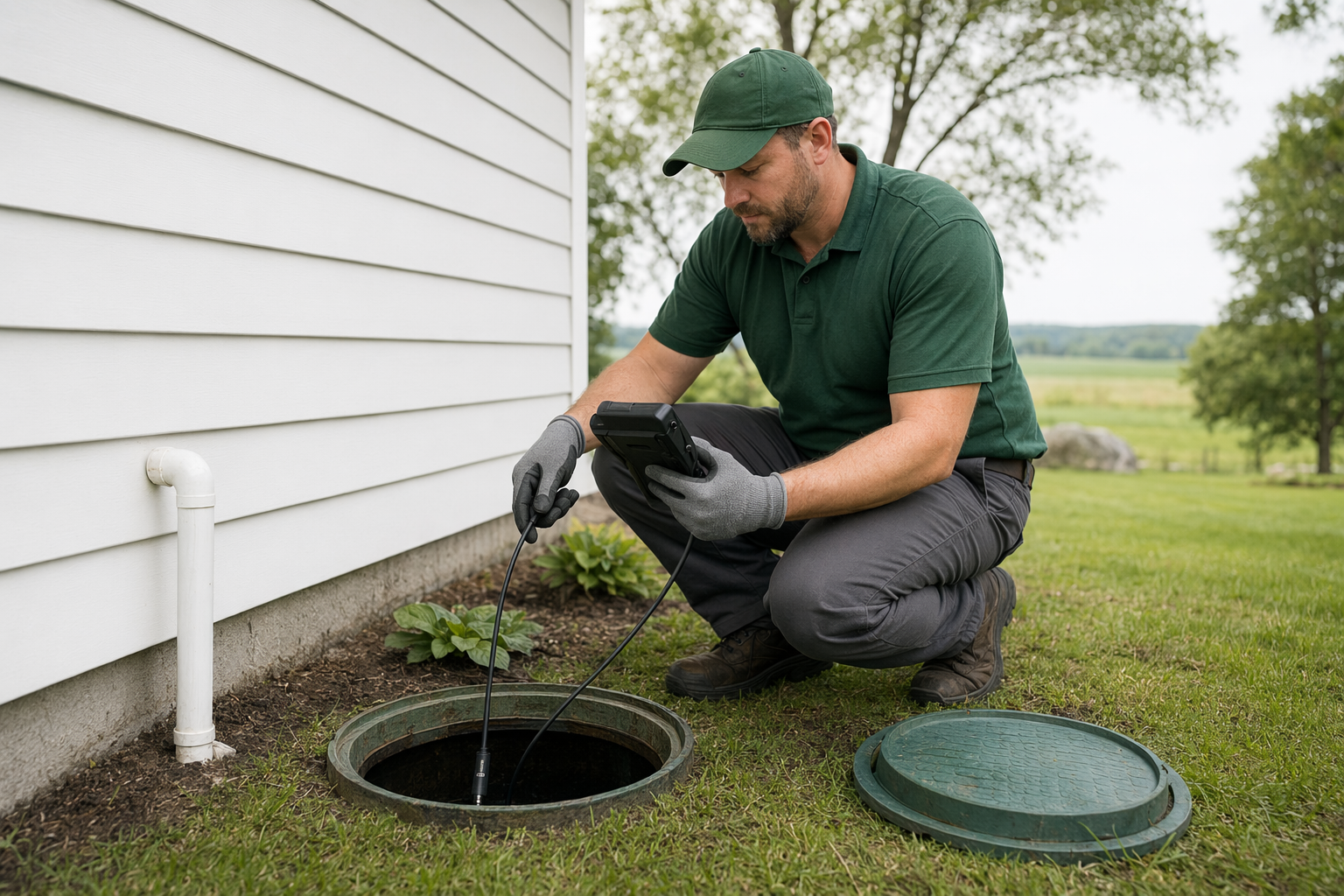
Instead of relying only on the general home inspection, they paid for a full septic inspection with a local septic professional.
That mattered.
A general home inspector may note concerns, but a septic inspection goes deeper. Depending on the property and local practice, it may include locating the tank, checking sludge and scum levels, looking at baffles and lids, reviewing visible signs of leakage or backup, and evaluating how the system is accepting wastewater. You can read more on what a septic inspection covers.
In this case, the inspection raised serious concerns about the drain field. The tank itself was not the whole problem. The bigger issue was that the soil absorption area, the part that lets treated wastewater move into the ground, was not working the way it should. There were signs of saturation and past stress.
The inspector did not promise that a simple fix would solve it. That is important. Sometimes a system can be repaired. Sometimes replacement is the realistic path. Septic outcomes depend on the site, the soil, the layout, local rules, and what the licensed pro finds.
The buyers also asked for paperwork.
- Past pumping records
n- Any prior inspection reports
- Permit records, if available
- Age of the system
- A layout or sketch showing tank and drain field location
The records were incomplete. That was another red flag, not proof by itself, but enough to take the issue seriously.
They also paused the clock on the emotional part of buying. They stopped saying, "We love this house, we have to make it work," and started saying, "We need facts first." That shift probably saved them from a costly decision.
What we helped with
They came to Leachstead because they needed plain-English help, not sales pressure.
We are not a septic company, and we do not inspect or repair systems ourselves. We are a free matching and information service. We helped them understand the basic terms, what questions to ask, and how to get matched with local septic pros so they could compare options.
We walked them through a simple plan:
- Get the inspection findings in writing.
- Ask what was observed, not just the conclusion.
- Get at least one more written opinion if the stakes are high.
- Ask for typical repair or replacement ranges, not verbal guesses.
- Verify local permit requirements and licensing yourself before any work is approved.
We also pointed them to drain field repair information and our septic cost guide so they could understand typical ranges, not quotes. For a failing drain field or full system replacement, costs can be significant. In many areas, a major repair or replacement can run into the tens of thousands of dollars, depending on soil, access, design, permits, and the type of system.
Just as important, we helped them slow the conversation down. A seller may say, "It only needs a pump." Sometimes pumping is part of maintenance. But pumping does not fix a failed drain field. If sewage is surfacing, drains are backing up, or the field is saturated, that is a health and groundwater concern. Children and pets should be kept away from affected areas, and a licensed local pro should evaluate the system.
Through get matched, they were able to speak with local pros and compare written information before making a decision.
The outcome
Armed with the septic inspection report and follow-up opinions, the buyers went back to the seller.
They did not demand a made-up number. They documented the problem and asked for a practical solution. In this case, the result was a renegotiation. The seller agreed to a substantial credit at closing so the buyers would not be taking on the risk with no room in their budget.
That did not make the problem disappear. It did something better. It made the risk visible.
The buyers could now decide with open eyes:
- Move forward with money set aside for the septic issue
- Ask for more review before closing
- Walk away if the numbers or site conditions no longer made sense
They chose to move forward, but only after confirming they understood the likely costs, the uncertainty, and the next steps. They knew permits would likely be required for major work. They knew they needed licensed or certified local septic contractors. They knew to check local health-department rules themselves.
Most of all, they did not close on the home believing they had a healthy septic system when they did not. That is what changed the purchase.
Instead of inheriting a hidden problem and discovering it after the first backup, they had leverage before closing. In their words, the inspection did not kill the deal. It made it honest.
What you can learn
If you are buying a home with septic, the lesson is simple. Do not guess.
A few takeaways:
- Get a septic inspection before closing, especially for older homes.
- Do not assume a general home inspection is enough.
- Ask for records, age, permits, and prior service history.
- Treat slow drains, odors, wet yard areas, and extra-green patches as clues worth checking.
- Get written quotes and confirm price before work starts. Typical ranges are not the same as firm bids.
- Verify the contractor's license, the permit, and your local rules yourself.
- If the system shows signs of failure, do not DIY it.
Septic problems can feel embarrassing, but they are common. The smart move is not pretending they do not exist. The smart move is getting enough information soon enough to protect your budget and your family.
If you want more stories like this, visit our homeowner stories. If you are in the middle of a purchase and need help finding a local septic pro, you can get matched for free.
Common questions
Can a septic inspection really change a home purchase?
Yes. A septic inspection can reveal problems that are not obvious during a showing or a standard home inspection. That information may help a buyer renegotiate, request more review, budget for future work, or decide not to move forward.
Is pumping the tank enough if an inspection finds a problem?
Not always. Pumping is routine maintenance, but it does not fix every issue. If the drain field is failing or the system is saturated, pumping alone may not solve the underlying problem. A licensed local septic pro should evaluate what is actually happening.
Who should I trust during a septic issue in escrow?
Start with written findings from qualified local septic professionals, then compare opinions and costs carefully. Leachstead is a free matching and information service, not a septic company or regulator. Always verify the contractor's license, required permits, and your local health-department rules yourself.