A first home, and a system they did not understand
This is an anonymized composite story based on common homeowner situations.
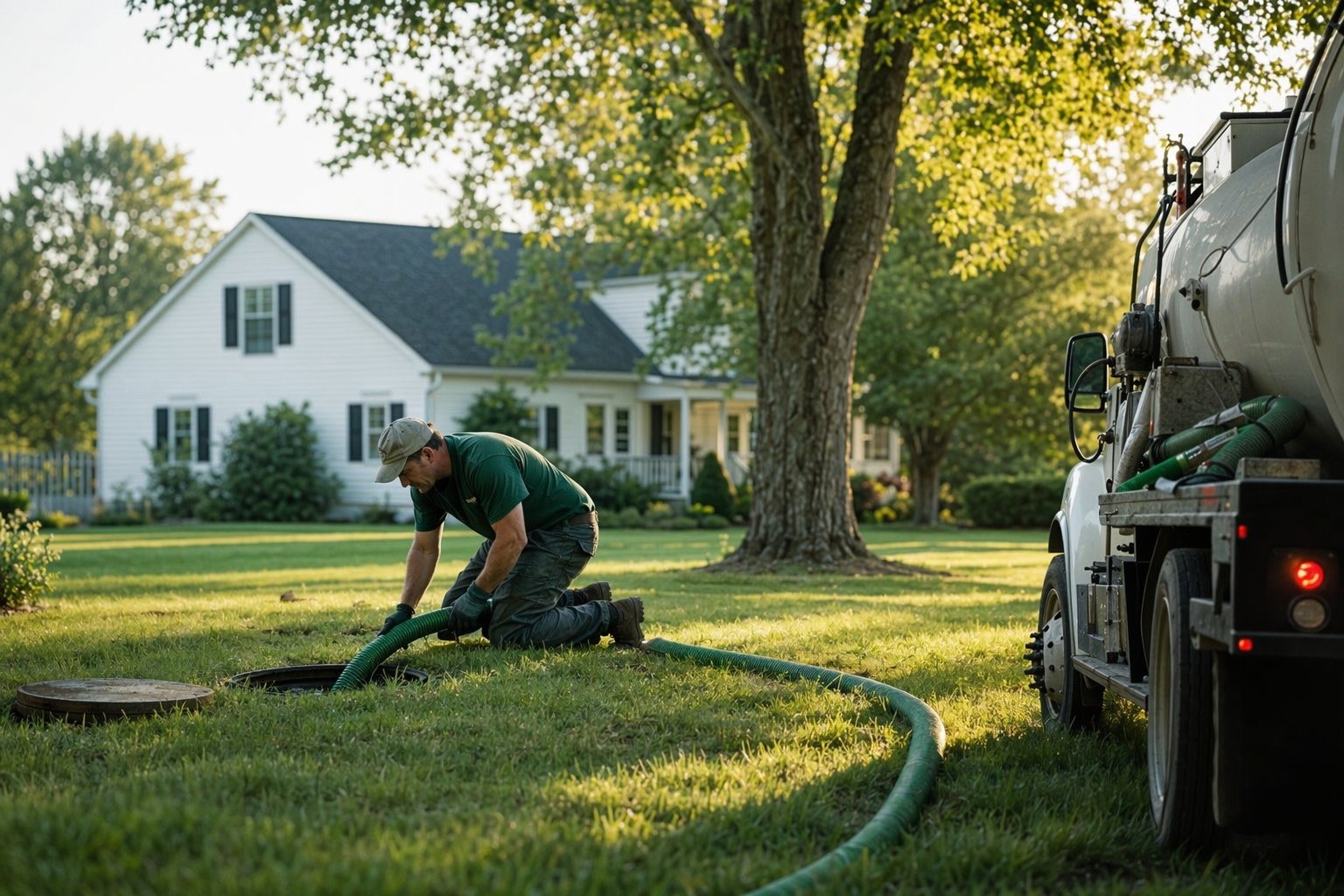
A family had recently moved to the US and bought their first home. In their previous country, homes in the city were connected to a public sewer. They had never needed to think about a tank buried in the yard, a drain field, or what could and could not go down the drain.
A few months after moving in, they noticed small things that were easy to explain away. The kitchen sink drained slowly. One toilet made a gurgling sound. After heavy water use on laundry day, there was a faint sewage smell outside near the back yard.
They were busy. Their English was limited. They assumed it was a simple plumbing issue.
Then a neighbor casually asked when the septic tank had last been pumped. The family did not know there was a septic tank at all.
That moment brought a lot of stress. They worried they had missed something important during the home purchase. They worried about repair costs. They also felt embarrassed asking basic questions.
The truth is, this is common. Many homeowners are new to septic. Many are also trying to understand a new language, a new housing system, and new rules at the same time. A septic system is not shameful. It is just part of how many homes work.
What they did next
Instead of guessing, they slowed down and learned the basics first. They read a simple guide on how a septic system works and compared what they were seeing with common warning signs.
That helped them understand a few important points:
- Septic is different from city sewer.
- Slow drains, odors, and gurgling can be warning signs.
- A full tank is one possible cause, but not the only one.
- A failing drain field can be a health and groundwater hazard.
- It is not a good DIY project when sewage is involved.
They also found old closing papers from the home purchase and looked for any septic records. There was very little information, but they did confirm the property was on septic.
Next, they changed a few day-to-day habits right away. They reduced water use for a few days. They stopped using the garbage disposal heavily. They made sure only toilet paper was being flushed. They kept children away from the damp area in the yard until they understood what it was.
Most important, they did not let anyone pressure them into immediate expensive work without more information. One company they called by phone gave a very confident opinion before even visiting. The family felt uneasy, and that turned out to be a good instinct.
They decided they needed a proper inspection from a qualified local septic professional, and they wanted clear communication they could actually understand.
What we helped with
They came to Leachstead looking for plain-language information and a way to find local help without feeling lost. We are not a septic company, and we do not diagnose systems or set prices. What we do is help homeowners understand the basics and get matched with local septic pros.
For this family, the biggest help was clarity.
They were able to:
- read basic septic information in simpler language
- understand the difference between pumping, inspection, repair, and replacement
- learn which warning signs mattered most
- prepare questions before talking to a contractor
- ask for written estimates instead of agreeing on the spot
They also reviewed septic warning signs and looked at the kinds of services a local pro might recommend through our services pages.
That made the phone calls much easier. Instead of saying, "Something is wrong," they could explain what they had noticed, when it started, and whether sewage had entered the house.
Just as important, they learned a few consumer basics that many first-time homeowners miss:
- Ask what service is being recommended, pumping, inspection, repair, or more than one.
- Ask what is included in the price.
- Ask whether permits may be required for any repair or replacement work.
- Verify the contractor's license or certification, and check local health-department rules yourself.
- Get the quote in writing before work starts.
That reduced a lot of fear. When you understand the words being used, it is easier to make a calm decision.
The outcome
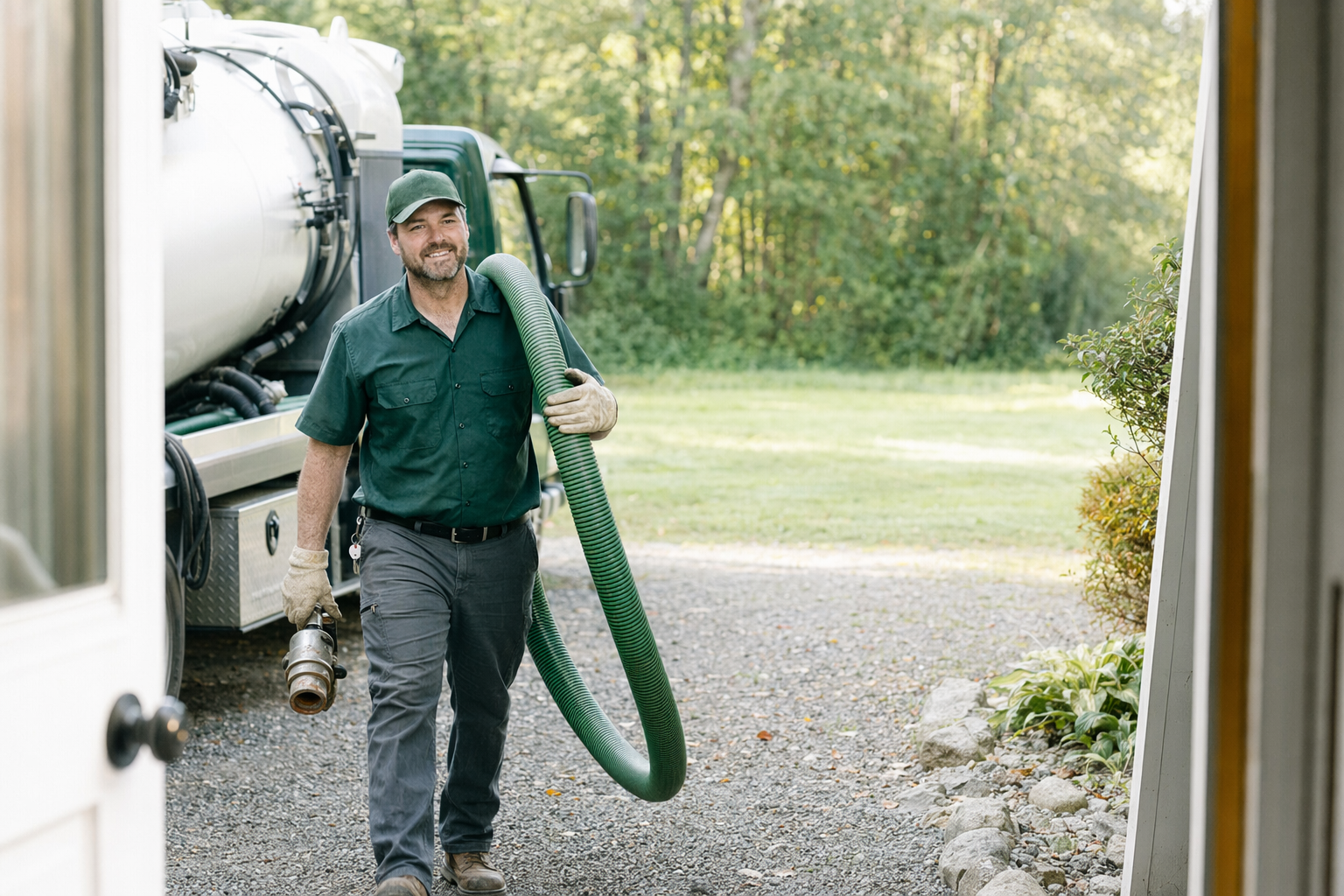
The family was matched with a local septic professional who came out, inspected the system, and explained the findings in a straightforward way. The issue appeared to be overdue maintenance combined with heavy water use, not an immediate full system replacement.
The tank was pumped, and the pro recommended follow-up monitoring and some household habit changes. The family was also told what warning signs would mean they should call again quickly, such as sewage backing up indoors or standing wastewater near the drain field.
This was a big relief. The final bill was still an expense, but it was far less than the major replacement they had feared. Like many septic jobs, the exact price depended on local rates, access to the tank, and what the visit found. Typical ranges are not quotes, which is why comparing written estimates matters.
The family also started keeping records. They saved the receipt, wrote down the service date, and made a note to ask about future pumping intervals based on tank size, household size, and usage.
Most of all, they felt more confident. Septic no longer felt like a mystery. It felt like one more home system they could manage with the right information and the right pro.
What other new homeowners can learn from this
If this sounds like your situation, you are not alone. Start simple.
- Confirm whether your home is on septic or sewer.
- Learn the basic parts of the system.
- Watch for slow drains, gurgling, odors, backups, or soggy ground.
- Do not ignore sewage smells or wastewater in the yard.
- Keep kids and pets away from contaminated areas.
- Do not try to fix a failing system yourself.
- Ask questions until the explanation makes sense.
- Get written quotes and confirm the price before work begins.
If you are buying, recently bought, or just found out your house has septic, our guides and homeowner stories can help you get oriented fast.
And if you need local help, you can use Leachstead to get matched with a septic pro in your area. You compare your options and choose. Always verify the license, the permit requirements, and your local health-department rules yourself.
A septic system can feel unfamiliar, especially in a second language. But the basics can be learned. Clear information, careful questions, and a trustworthy local pro can help you avoid rushed decisions and costly mistakes.
Common questions
I just bought a house and found out it has septic. What should I do first?
Start by confirming you are on septic, not city sewer. Look for any inspection reports, pump-out receipts, site plans, or closing documents. Then learn the basics of how the system works and watch for warning signs like slow drains, odors, backups, or wet spots in the yard.
Can I just have the tank pumped and assume the problem is solved?
Not always. Pumping may help if the tank is overdue for service, but slow drains or odors can have other causes too. A local septic professional may recommend pumping, inspection, or additional evaluation based on what they find. Get the scope of work and price in writing before work starts.
I am not comfortable discussing septic problems in English. Can Leachstead help?
Leachstead is a free information and matching service for homeowners, including many who are more comfortable in another language. We help you understand the basics and connect with local septic pros. You still compare options, choose the company, and should verify licenses, permits, and local rules yourself.