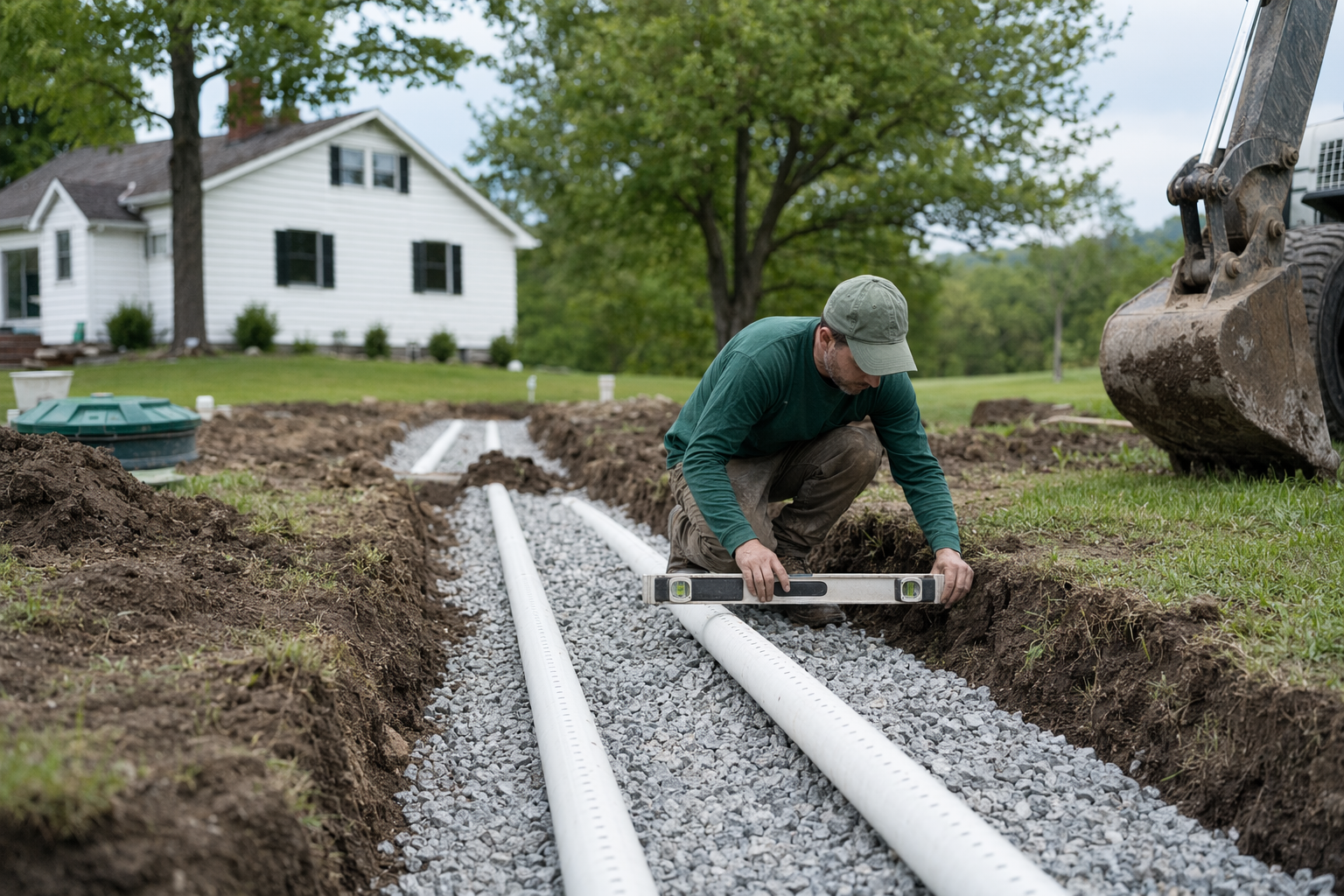
The situation
This is an anonymized, composite story based on the kinds of problems homeowners bring to Leachstead.
A family started noticing slow drains, toilet gurgling, and a bad smell outside after heavy water use. Then one morning, the lowest shower in the house backed up.
They did what most people do. They called for help fast.
The first contractor took a quick look, heard that the yard near the drain field had stayed damp, and said the system was likely failing. The family was told they might need a full replacement, tank and drain field. The number they heard was in the many-thousands range, a typical replacement range in many areas, not a quote. They felt scared, embarrassed, and pressured to decide quickly.
What made it harder was this, they had only owned the home for a few years, and they had very few septic records. They did not know the last pumping date. They were not sure where every part of the system was. And because the symptoms sounded serious, they assumed the worst.
The truth is, those warning signs can mean different things. Slow drains and odors can point to a full tank, a blockage, a broken component, or a drain field problem. Sometimes it is serious. Sometimes it is not. That is why a real diagnosis matters. Our septic warning signs guide explains why the same symptoms can have more than one cause.
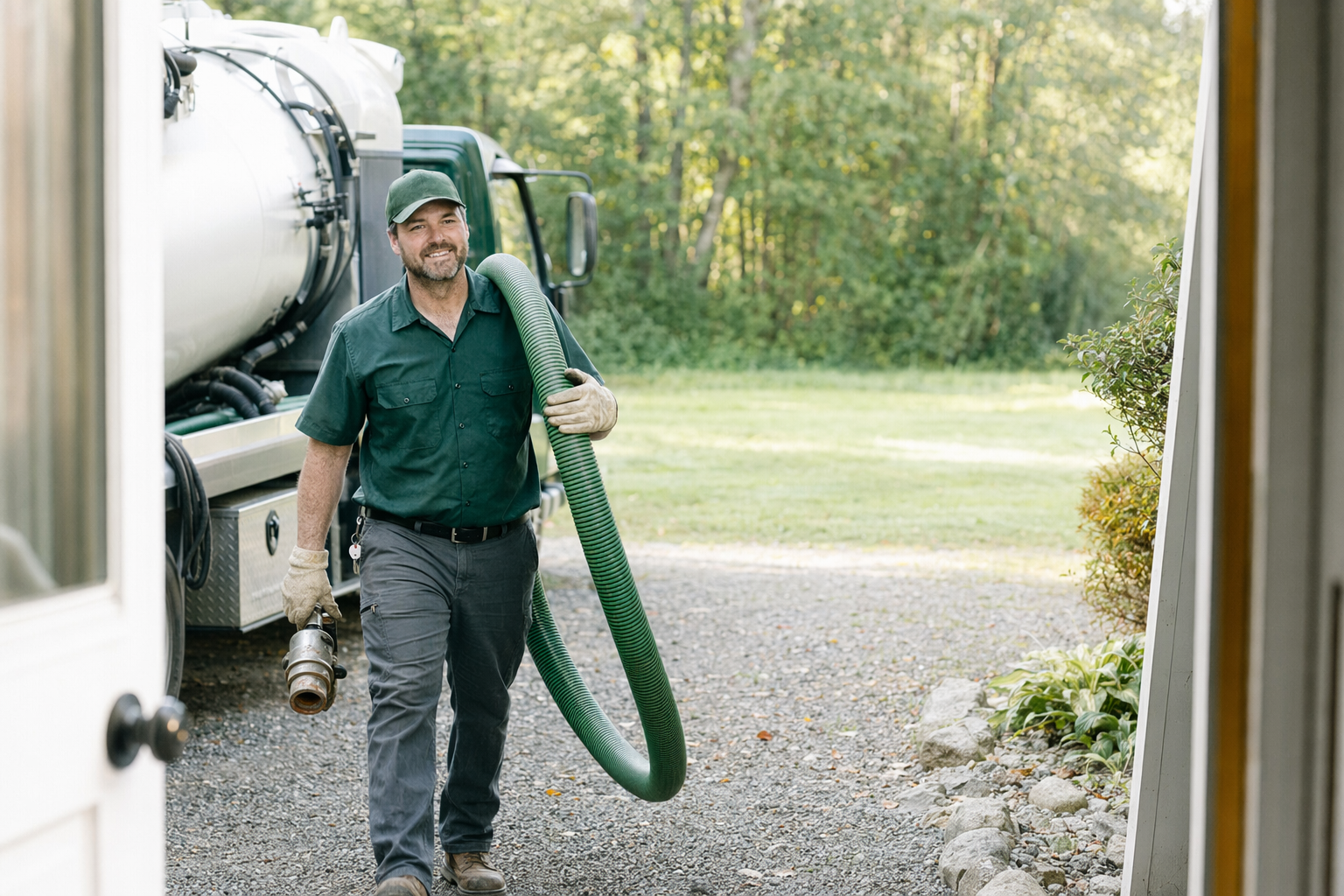
What they did
Instead of signing right away, the homeowner paused and asked a few simple questions:
- What exactly was inspected?
- Was the tank opened?
- Was there evidence the drain field itself had failed?
- Were any simpler causes ruled out first?
The answers were vague. That was the first red flag.
So they arranged a second opinion from another licensed septic professional. This time, the visit was more thorough. The tank was opened. The liquid levels were checked. Key components were looked at, including the inlet and outlet baffles, which help wastewater move through the tank the right way.
That inspection found a clogged outlet baffle and heavy buildup at the tank. In plain English, wastewater was not leaving the tank as it should. That backup was creating symptoms that looked a lot like a failing drain field.
The second pro recommended pumping the tank and clearing the blockage first, then reassessing how the system behaved. That is a much smaller first step than full replacement. It still needed to be done by a qualified septic company, not as a DIY job. Raw sewage is a health hazard, and septic openings can be dangerous.
After service, the homeowner was told to watch the system for a period of normal use. No honest contractor can promise a drain field is "saved" forever from one visit. But it was reasonable to address the confirmed problem first before talking about major replacement.
If you are not sure whether to pump first or inspect first, our pages on septic inspection and septic tank pumping can help you understand the difference.
What we helped with
Leachstead is not a septic company. We do not inspect, pump, or repair systems. We are a free matching and information service.
In this case, we helped the homeowner slow the process down and get organized.
We helped them:
- understand common septic parts in plain English
- make a short list of questions to ask each company
- request written estimates with the scope of work clearly stated
- look for a licensed local septic pro for a second opinion
- understand that permits and local rules may apply, especially if major repair or replacement is proposed
That last point matters. Septic repair and replacement often require permits, site review, and licensed or certified installers. Homeowners should always verify the contractor's license, the permit requirements, and local health-department rules for their own property.
We also shared general safety information. If sewage is backing up, keep children and pets away from affected areas. Avoid contact with wastewater. Be careful around wells, ditches, and surface water. A failing system can be a groundwater and health risk.
When homeowners feel rushed, getting matched with another local pro can make the next step clearer. That is exactly why we offer free matching and educational guides.
The outcome
The homeowner chose the smaller, evidence-based step first.
The tank was pumped. The clogged baffle was addressed. Over the next several weeks, the family saw a big change. The drains moved normally again. The gurgling stopped. The smell faded. The wet area in the yard improved.
Most importantly, they did not move straight into a full system replacement based on a quick visit and a scary guess.
That does not mean every story ends this way. Sometimes a drain field really is failing. Sometimes the tank, lines, soil conditions, or system age point to larger work. A second opinion is not magic. It is just a smart way to make sure the diagnosis matches the recommendation.
In this case, the family spent hundreds, not tens of thousands, as a first step, a typical difference in many markets, not a promise or quote. They also started keeping better records, including service dates and what was found at each visit.
Later, they scheduled regular maintenance and learned more about what not to flush, how to spread out laundry loads, and why septic systems need routine attention. Small habits can reduce stress, even if they cannot prevent every problem.
What you can learn
If someone tells you that you need a brand-new septic system, do not panic. Ask for facts.
Here are the biggest lessons from this story:
- Get the diagnosis in writing. Ask what was observed, tested, opened, and measured.
- Ask whether simpler causes were ruled out first. A blockage, full tank, broken baffle, or damaged line can mimic bigger failure.
- Get a second opinion before major septic work, if time and conditions allow.
- Compare written quotes. Make sure the scope is clear before work starts.
- Verify the contractor's license and ask whether permits are required.
- Do not DIY a failed or backing-up septic system. Sewage exposure is dangerous.
- Keep records after every pumping, inspection, and repair.
A fair question is, can a drain field sometimes be helped without full replacement? Sometimes yes, sometimes no. It depends on the actual cause and the condition of the system. Our page on drain field repair explains the possibilities in plain English, and our stories section shows how different homeowners handled different outcomes.
If you are hearing very different opinions, that does not always mean someone is lying. It may mean one company did a faster visit and another did a fuller inspection. Either way, you deserve clear explanations, time to think, and a written plan.
Common questions
Should I always get a second opinion before replacing a septic system?
If a contractor recommends major repair or full replacement, a second opinion is often a smart step, especially if the explanation is brief or the inspection seemed limited. Ask what was actually inspected and get written findings. If there is an active sewage emergency, take safety precautions and get qualified help quickly.
Can a clogged baffle really look like a drain field failure?
It can create similar symptoms, including slow drains, odors, backups, and high liquid levels in the tank. That does not mean the drain field is fine. It means a proper inspection should check simpler, confirmed problems before anyone assumes the whole system must be replaced.
What should I ask before agreeing to expensive septic work?
Ask what the contractor found, how they confirmed it, what parts of the system were opened or tested, whether lower-cost causes were ruled out, whether permits are needed, and what the written price includes. Typical ranges are useful for context, but you should confirm the actual price before work starts.