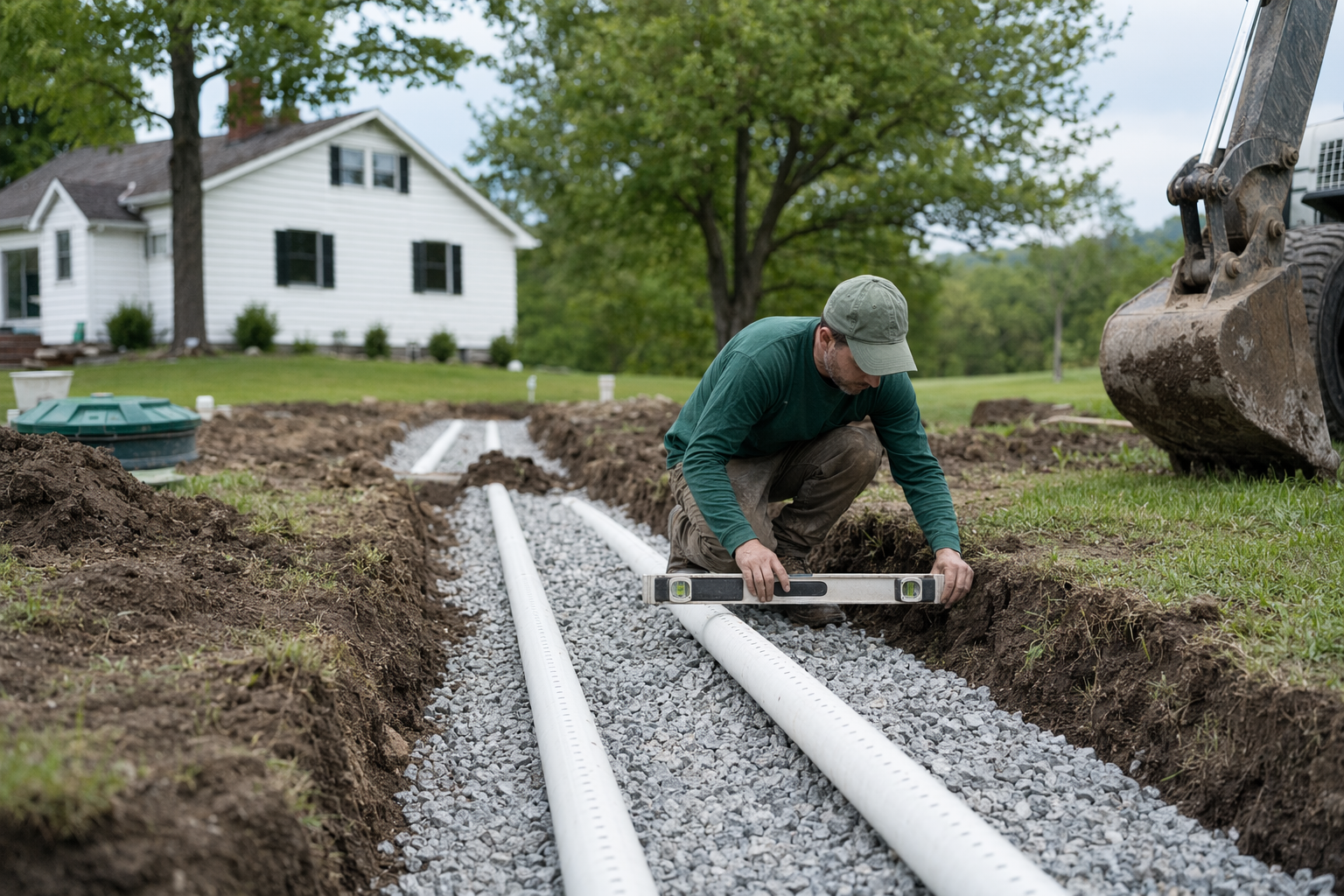
Tree Roots in the Septic System
If you have slow drains, sewage smell, gurgling toilets, or a wet spot in the yard, tree roots could be part of the problem. Roots naturally seek moisture. A septic line, tank seam, or drain field trench can attract them.
This is common with older systems, systems with small cracks, or yards with large thirsty trees nearby. Roots can grow into tiny openings, then get thicker over time. That can block flow, damage parts, or keep wastewater from moving the way it should.
The hard part is that root problems can look like other septic problems. A full tank, a damaged baffle, a blocked house sewer line, or a failing drain field can cause similar signs. That is why guessing can waste time and money. If you are seeing warning signs, start with the basics in quick septic answers or learn the larger red flags in Septic warning signs.

The short answer
Yes, tree roots can damage a septic system.
They most often affect:
- Sewer lines running from the house to the tank
- The pipe from the tank to the drain field
- Older concrete or cracked tanks
- Distribution boxes and drain field lines
What happens next depends on where the roots are and how much damage they caused. In some cases, a pro may be able to clear a line and repair one section. In other cases, broken parts, a damaged tank, or a failing drain field may need larger work.
Do not dig blindly, cut roots near the system on your own, or pour chemicals into the septic system hoping to solve it. That can make things worse, and some products can harm the system or the soil treatment area.
What you need to know
Roots are drawn to water, oxygen, and nutrients. Septic systems can provide all three if there is even a small leak or weak spot.
A few important points:
- Roots usually enter through an opening first. They do not normally break into a sound pipe just because it is nearby.
- Once inside, they expand and catch paper and waste. That creates a blockage.
- In a drain field, roots can interfere with how wastewater spreads and soaks into the soil.
- If the drain field area stays wet for long periods, roots may keep returning unless the real problem is fixed.
Common signs of root intrusion include:
- Slow drains in more than one fixture
- Toilets that gurgle
- Sewage odor inside or outside
- Backups after heavy water use
- A greener, wetter strip of yard along a line
- Soggy ground near the drain field
But symptoms alone cannot tell you whether the problem is a line blockage, tank issue, or drain field failure. A licensed septic professional may recommend pumping, inspection, line locating, or a camera check when appropriate. If the wet area is over the soil treatment area, read Drain field and leach field repair for what that can mean.
Keep safety in mind. Raw sewage and failing drain fields can expose people and pets to harmful germs, and they can affect groundwater. Keep children and pets away from wet or contaminated areas. Avoid contact with sewage. Be extra careful around wells, ditches, streams, and low spots. For general safety background, see Septic safety.
Steps to take
If you think roots may be in your septic system, take these steps:
1. Use less water right away.
Spread out showers, laundry, and dishwashing. Less water can reduce backups and overflow while you wait for help.
2. Keep people and pets away from wet or sewage-covered areas.
Do not let anyone play, dig, or mow through contaminated spots.
3. Do not open the tank or enter any septic area yourself.
Septic tanks can contain dangerous gases and low oxygen. This is not a DIY safety job.
4. Do not flush root killers, additives, or harsh drain chemicals without expert guidance.
These products may not fix the real problem, and some can damage plumbing, the septic process, or the soil area.
5. Gather basic information.
Note when the problem started, which fixtures are affected, where you smell odor, and whether there are wet spots in the yard. If you know where trees, the tank, or the drain field are located, write that down too.
6. Contact a licensed septic pro for an evaluation.
You may need pumping, an inspection, line clearing, spot repair, or drain field work, depending on what they find. Ask what service they recommend first and why. Written quotes are best.
7. Verify permits and licensing.
Septic work often requires permits and licensed or certified installers. Check your local health department rules yourself, and confirm the contractor license and permit before work starts.
If sewage is backing up into the house or you have an active overflow, treat it as urgent. Read Emergency septic service for immediate next steps.
Common mistakes
Homeowners often make these understandable mistakes:
- Assuming every slow drain means the tank just needs pumping
Pumping can be helpful in some situations, but it will not remove roots from every line or fix a damaged drain field.
- Cutting down a tree and thinking the problem is over
Dead roots can still remain in pipes or soil areas, and removing a large tree near the system can sometimes change soil conditions.
- Planting trees or large shrubs too close to the tank or drain field
Root systems can spread farther than people expect.
- Driving heavy equipment over the septic area
This can crack pipes, crush components, and make root problems worse. See Why You Should Never Build or Drive Over a Drain Field.
- Trying a DIY fix on a failing system
Snaking, digging, or chemical treatments without the right diagnosis can hide the real issue or increase damage.
- Accepting a verbal price only
Septic costs vary a lot by location and by what part failed. Get written quotes, ask what is included, and confirm the price before work starts. Typical ranges are not quotes.
The goal is not to panic. It is to get a clear diagnosis first, then compare options. Some homeowners need a simpler repair. Others may need major work. No one can know for sure without seeing the system.
Get matched with a pro
Leachstead is a free matching and information service. We are not a septic company, and we do not perform repairs or inspections. We help homeowners, including non-native English speakers, connect with local septic pros and understand the next step.
If you think roots may be affecting your septic line, tank, or drain field, you can get matched with a trusted septic pro. You can also browse septic services we help you find a pro for.
When you talk to a contractor, ask:
- What part of the system do you think is affected?
- Do you recommend pumping, inspection, line clearing, repair, or replacement first?
- Will permits be required?
- Are you licensed for this work here?
- Can you provide a written quote before work starts?
You compare your options and choose what works for your home and budget.
Common questions
Can tree roots make my toilets gurgle and drains run slow?
Yes. Roots can block or narrow a septic line, which can lead to slow drains, gurgling, or backups. But those signs can also come from other septic problems, so a proper inspection matters.
Will pumping the septic tank fix a root problem?
Not always. Pumping removes waste from the tank, but it does not automatically remove roots from a damaged pipe or fix drain field trouble. Sometimes pumping is part of the diagnosis, not the full solution.
Should I use a root killer from the store?
Be careful. Store products may not solve the real problem, and some can harm parts of the system or the soil treatment area. It is safer to have a licensed septic pro identify where the roots are before you treat anything.