Conventional vs Mound Septic System
A conventional septic system is the standard setup many homeowners picture. Wastewater flows from the house into a septic tank. Solids settle in the tank. Then the liquid flows out to a drain field buried in the ground, where the soil helps treat it.
A mound system is different because the site conditions are different. It still has a septic tank, but the drain field is built in a raised mound of sand and gravel above the natural ground. Many mound systems also use a pump to send wastewater up to that mound in controlled doses.
Why would a home need a mound instead of a conventional system?
- The natural soil may not absorb or treat wastewater well enough.
- The water table may be too high.
- Bedrock may be too close to the surface.
- The lot may be small or have other limits.
So this is not really about one system being "good" and the other being "bad." It is about what your property can safely support. If you want a broader overview of non-standard systems, see alternative septic systems.

The short answer
For many properties, a conventional system is simpler, less visible, and often less expensive to install and maintain. But it only works where the soil and site meet local rules.
A mound system is usually chosen when a conventional drain field is not allowed or is not likely to work well. It can be a safe, effective option when properly designed, permitted, installed, and maintained.
A few practical differences homeowners notice:
- Cost: Mound systems are often more expensive to install. They may also have more parts, such as pumps and controls. Typical ranges are not quotes, and local prices vary.
- Appearance: A conventional drain field is usually flatter and less noticeable. A mound system creates a raised area in the yard.
- Maintenance: A mound system may need more attention because pumps, alarms, and dosing equipment can be involved.
- Site limits: If your soil does not pass testing for a conventional system, a mound may be one of the alternatives.
If you are still figuring out what system you have or what shape it is in, quick septic answers can help you narrow it down.
What you need to know
The most important thing to know is that the choice is usually made by site conditions and local rules, not personal preference alone.
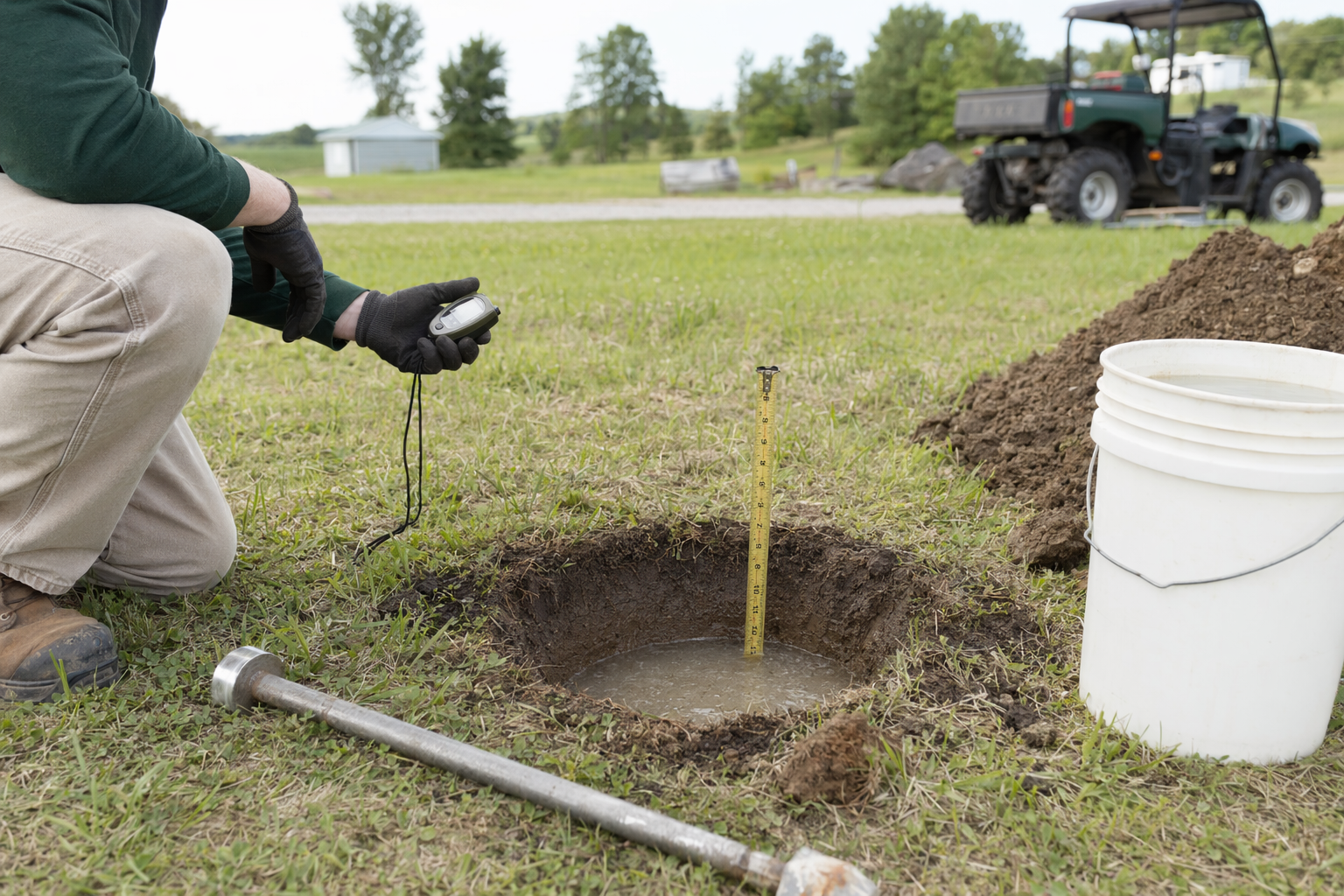
Before a new system is approved, the property often needs soil testing and a site evaluation. You may hear about a perc test, meaning a test of how the soil handles water. The health department or permitting office in your area may require more than one kind of test or review. Always verify your own local rules and permit steps. Septic installation and replacement usually require permits and licensed or certified professionals.
Here is a simple comparison.
Conventional system
- Best when the native soil is suitable.
- Usually has fewer mechanical parts.
- Drain field is below ground.
- May be easier to mow around and less obvious in the yard.
Mound system
- Used when the native soil or site is not suitable for conventional.
- Often includes a pump chamber and high-water alarm.
- Drain field is raised above grade in engineered material.
- Needs extra care to protect the mound from compaction, erosion, and extra water.
A few things matter for both types:
- Regular pumping on the right schedule.
- Water use that is steady, not overloaded all at once.
- Nothing harmful flushed into the system.
- No driving, building, or heavy equipment over the treatment area.
If you are dealing with slow drains, odors, or a wet yard, do not assume the answer is just pumping. A full tank, a clogged line, pump trouble, or drain field trouble can look similar at first. Learn the common warning signs and get the system checked if symptoms keep happening.
Safety matters too. Raw sewage and failing drain fields can expose people and pets to harmful germs and can affect groundwater. Keep children and pets away from wet sewage areas. Do not dig into or try to repair a failing system yourself. Respect safe distances from wells, streams, and other water sources.
Steps to take
If you are comparing systems for a new install, replacement, or home purchase, this is a smart order to follow:
- Find out what your property allows. Ask what testing, setbacks, and permits are required in your area.
- Get a site evaluation. Soil, slope, groundwater, lot layout, and available space all matter.
- Ask whether a conventional system is actually an option. If not, ask what alternatives are commonly approved.
- Get written quotes. Compare scope, materials, pump equipment, maintenance needs, and warranty terms.
- Verify the license and permit. Do not rely on verbal assurances alone.
- Plan for maintenance. Ask what service schedule the system will need after installation.
If you already have one of these systems and something seems wrong:
- Reduce water use right away. Spread out laundry and long showers.
- Keep people and pets away from sewage or soggy contaminated areas.
- Do not open the tank or mound yourself.
- Call for the right kind of service. That may be pumping, inspection, repair, or emergency help depending on symptoms.
You can review the kinds of help available on our services page.
Common mistakes
Homeowners often get into trouble by making one of these common mistakes:
- Assuming cheaper is better. The lowest price may not include needed parts, site work, or permit steps.
- Thinking a mound system means failure. A mound is often the approved solution for a challenging site.
- Ignoring alarms or wet spots. On a mound system, an alarm can mean the pump or controls need attention. Do not silence and forget it.
- Driving over the drain area or mound. This can compact soil and damage pipes.
- Planting trees too close. Roots can cause problems over time.
- Sending roof drains or surface water toward the system. Extra water can overload the treatment area.
- Skipping records. Keep pump-out receipts, inspection notes, permits, and drawings if you have them.
Another mistake is expecting anyone online to tell you, with certainty, whether your property should have one system or the other. That decision depends on local testing, design rules, and the condition of the site. If you are facing replacement, it also helps to read when a septic system fails.
Get matched with a pro
If you need help comparing a conventional and mound system, Leachstead can help you get matched with a local septic professional. We are a free matching and information service, not a septic company.
You can use us if you need:
- an inspection before buying or selling
- advice on what service to book next
- a quote for installation or replacement
- help with a backup, odor, wet yard, or alarm
Ask for written estimates. Confirm what is included before work starts. Verify the pro's license, the permit, and your local health-department rules yourself. Then compare and choose what makes sense for your home.
Start here to get matched.
Common questions
Is a mound system worse than a conventional system?
Not necessarily. A mound system is often used because the site cannot safely support a conventional drain field. When it is properly designed, permitted, installed, and maintained, it may be the right system for that property.
Why is a mound system usually more expensive?
Mound systems often need more engineered materials, more site work, and sometimes pumps, controls, and alarms. That can raise installation and maintenance costs. Prices vary by area, so get written quotes and confirm what is included.
Can I switch from a mound system to a conventional system later?
Sometimes, but not just because you prefer the look or cost. The property still has to meet local soil and site requirements for a conventional system. That usually means testing, design review, permits, and approval by the local authority.